Rare gemstones can be far rarer than diamonds, but they are much more difficult to buy, verify, insure, and resell. This guide will show new collectors how to pick a level, pick a first stone, verify what you buy, and avoid the most common mistakes.
Why collect rare gemstones?
Similar to great wine or art, people acquire rare gemstones for their craftsmanship, beauty, and curiosity. Although it is the least trustworthy justification, some people also expect long-term value. Knowledge, documentation, and patience rather than hype are the foundations of the best collections.
Five ideas every rare gemstone collector must know
Sellers often blur these together. Keep them separate.
| Idea | Plain-English meaning |
|---|---|
| Mineral rarity | How few specimens or locations exist in nature. |
| Gem-quality rarity | How few are clear and good enough to cut into gems? |
| Market rarity | How often one actually appears for sale. |
| Value | What did informed buyers really pay? |
| Liquidity | How easy it is to resell and at what discount. |
A stone can be extremely rare and still hard to sell. Kyawthuite shows this: the only known sample is on display at the Natural History Museum of Los Angeles County. It is a scientific marvel and cannot be bought.
Choose your collector level
Entry collector: learn and build confidence.
Typical choices: Benitoite, smaller red beryl, modest grandidierite, and color-change garnets.
- Benefits: Easier to find, real dealer networks, room to learn.
- Risks: Overpaying for small or mediocre stones.
- Documentation: A recognized laboratory report where the value justifies it, plus a clear invoice.
Advanced collector: pursue true rarity.
Typical choices: Certified painite, fine taaffeite, untreated red beryl, and collector-grade benitoite.
- Benefits: Genuine rarity and a knowledgeable community.
- Risks: Thin comparable sales, wide buy-sell spreads, and species-identification errors.
- Documentation: A full laboratory report covering species and treatment, verified with the lab, plus provenance.
Museum-level collector: the top of the pyramid
Typical choices: Exceptional musgraveite, historic-locality specimens, documented old collections, and private-treaty acquisitions.
- Benefits: True scarcity and cultural significance.
- Risks: Very low liquidity, valuation difficulty, authenticity, and legal-compliance complexity.
- Documentation: Multiple independent reports, a documented chain of custody, a specialist adviser, legal review, and specialist insurance.
Which rare gemstones should you know?
Beginner-friendly rare gems
- Benitoite: A blue gem from California and a popular first rarity.
- Grandidierite: A blue-green gem first found in Madagascar. Large transparent faceted stones are extremely rare, so modest sizes are the realistic entry point.
- Color-change and demantoid garnet: Commercially stronger markets with clearer pricing signals.
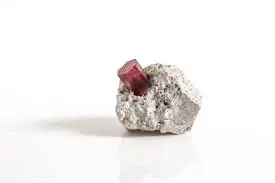
- Red beryl: The only known commercial source of gem-quality material is Utah’s Wah Wah Mountains. Crystal specimens on rock cost far less than top faceted gems.
Advanced rare gems
- Painite: found only in Myanmar. Newer finds produced many crystals, but most are not suitable for cutting.
- Taaffeite: very rare, often small, and easily confused with other stones.
- Untreated red beryl: insist on proof of natural color and origin.
Specialist and museum-level rare gems
- Musgravite: a close relative of taaffeite. Routine gem-testing instruments cannot reliably confirm it, so advanced laboratory analysis is needed.
- Kyawthuite: museum-only. Treat any sale listing with extreme suspicion.
Set a realistic budget and mindset
- Decide what you collect: beauty, rarity, a theme such as one country, or a mix.
- Spend only what you can afford to lose. Rare gems can be slow to resell.
- Buy fewer, better stones. One well-documented gem beats five doubtful ones.
- Count total cost: laboratory fees, insurance, shipping, taxes, and import duties.
- Be careful with the price per carat. It can mislead for rare species because a tiny stone and a large one trade in different markets.
Where to buy rare gemstones safely
Better sources: Specialist gemstone dealers with a transparent track record, established mineral-specimen dealers, major auction houses with published catalogs, gem and mineral shows, and private collections or estate sales with careful verification.
Higher-risk sources: Anonymous marketplace sellers, social media listings, and any seller who rushes you or avoids questions. For ultra-rare species, mislabeling and fraud are more likely, and comparable sales are scarce.
Pre-purchase checklist for rare gemstones
- Independent laboratory report naming the species, natural origin, and any treatment.
- Verify the report directly with the laboratory using its report number.
- Ask about treatments such as heating, fracture filling, or color enhancement.
- Request high-resolution photos, video, weight, and dimensions.
- Check provenance: where it came from and who owned it.
- Confirm locality if it affects value.
- Read the return policy and use protected payment methods.
- Consult an independent gemologist for high-value purchases.
- Check import, export, and origin rules for your country.
- Arrange specialist insurance and an updated appraisal.
Useful institutions to consult include GIA, Gübelin Gem Lab, SSEF, museum mineralogy departments, and established auction houses. Never assume a lab tested a stone unless the report says so.
Red flags when buying rare gemstones
- “World’s rarest gem” claims with no independent report.
- A vague or unverifiable certificate.
- Prices far below normal dealer ranges.
- No treatment disclosure.
- Reused or inconsistent photos.
- No return policy.
- A seller who will not share the report number.
- “Kyawthuite” for sale, especially in quantity.
- Famous-origin claims with no paperwork.
- Oddly vivid, possibly enhanced color.
- Species confusion, such as taaffeite versus musgravite or painite versus garnet.
- No provenance for an expensive mineral specimen.
- Pressure tactics such as “only today.”
- Guaranteed-profit promises.
Can I buy kyawthuite?
Realistically, no. Kyawthuite is known from a single museum specimen, and any listing offering it needs exceptional scrutiny.
How do I know if a rare gemstone is real?
Get an independent laboratory report, verify it directly with the laboratory, and review the provenance with a qualified gemologist.
Are rare gemstones a good investment?
Not reliably. Prices are opaque, resale can be slow, and no outcome is guaranteed. Buy what you would be happy to keep.
Do I need a laboratory report for every stone?
Not for every low-cost piece, but get one whenever the value or rarity of the species justifies it.